

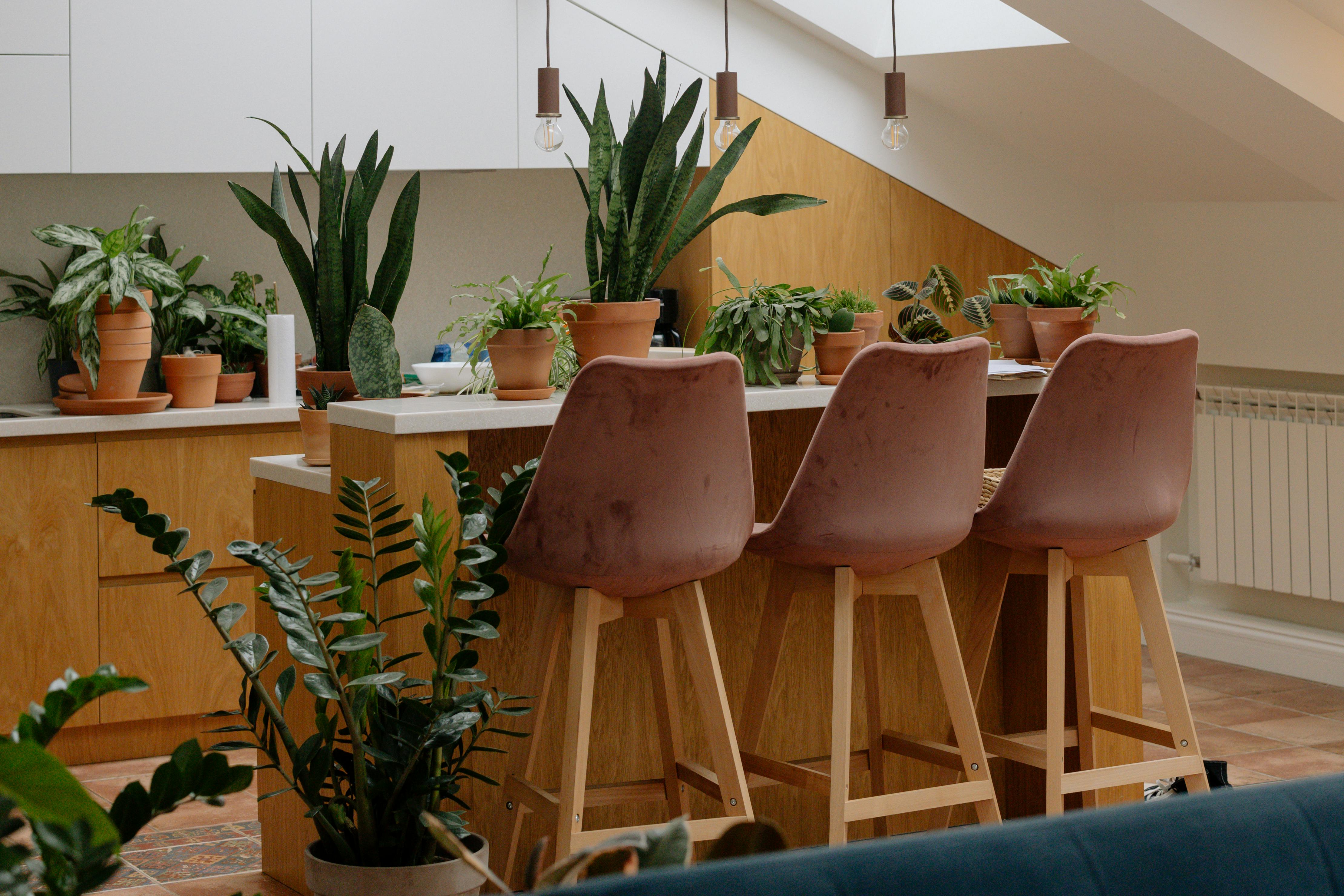
Are you looking to add some greenery to your living space? Indoor plants not only add beauty to your surroundings but also offer a host of benefits for your health and well-being. However, choosing the perfect indoor plants can be a daunting task, especially with so many varieties available. But worry not! In this article, we will guide you on how to select the ideal indoor plants for your space.
The Benefits of Indoor Plants
Indoor plants do more than just brighten up a room; they
also provide a range of benefits for your health and well-being. Firstly,
plants have been shown to improve air quality by filtering out toxins and
releasing oxygen. This can help reduce the risk of respiratory problems and
create a healthier indoor environment.
In addition to purifying the air, indoor plants can also
help to increase humidity levels, which is particularly beneficial during dry
winter months or in air-conditioned spaces. Higher humidity can alleviate dry
skin, respiratory issues, and even reduce the risk of allergies and asthma.
Furthermore, studies have shown that being around plants can
have a positive impact on mental health. Indoor plants have been found to
reduce stress, boost mood, and increase productivity. They can create a calming
and soothing atmosphere, making your living space a more relaxing and enjoyable
place to be.
Factors to Consider When Choosing Indoor Plants
When it comes to selecting indoor plants, there are several
factors to consider to ensure they thrive in your specific environment. The
first consideration is lighting conditions. Some plants require bright,
indirect light, while others can tolerate low-light environments. Understanding
the lighting requirements of your chosen plants will ensure they can flourish
in your home.
Next, consider the size and layout of your space. If you
have a small apartment, look for plants that don't take up too much room, such
as compact varieties or hanging plants. On the other hand, if you have a
spacious living area, you have more flexibility in choosing larger, statement
plants that can become a focal point of the room.
Additionally, think about your plant care routine. If you
have a busy lifestyle or are a beginner, opt for low-maintenance plants that
require minimal attention. Succulents, snake plants, and pothos are excellent
choices for beginners as they can withstand neglect and thrive in various
conditions. On the other hand, if you love taking care of plants and have the
time and dedication to devote to them, consider species that demand more care
and attention, such as orchids or ferns.
Low-Maintenance Indoor Plants for Beginners
If you're new to indoor gardening or simply don't have much
time to dedicate to plant care, there are plenty of low-maintenance options
available. These plants can tolerate a variety of lighting conditions and
require minimal watering and attention.
1.
Snake
Plant (Sansevieria): Snake plants are incredibly resilient and can survive
in almost any lighting condition, from bright indirect light to low light. They
have thick, sword-like leaves that come in various shades of green and yellow.
Snake plants are known for their air-purifying qualities and can thrive in dry
conditions, making them ideal for busy individuals.
2.
ZZ Plant
(Zamioculcas zamiifolia): The ZZ plant is another excellent choice for
beginners. It has glossy, dark green leaves that can tolerate low light and
infrequent watering. ZZ plants are known for their ability to remove toxins
from the air and are highly adaptable to different environments.
3.
Pothos
(Epipremnum aureum): Pothos is a popular choice for indoor gardening due to
its trailing vines and heart-shaped leaves. It can thrive in various lighting
conditions, from bright indirect light to low light. Pothos is also known for
its air-purifying qualities and can be easily propagated, making it a great
plant for beginners.
Remember, even low-maintenance plants require some care.
Ensure they receive adequate light, water them when the soil is dry, and
occasionally wipe the leaves to keep them dust-free.
Best Indoor Plants for Small Spaces
If you have limited space, there are several indoor plants
that can add beauty and greenery without overwhelming your living area. These
plants are compact and can be placed on shelves, countertops, or hung from the
ceiling to maximize space.
4.
Spider
Plant (Chlorophytum comosum): Spider plants are known for their arching
leaves with white stripes. They are easy to care for and can tolerate a range
of lighting conditions, from bright indirect light to partial shade. Spider
plants also produce baby spider plants, called "spiderettes," which
can be potted and shared with friends or used to create a fuller look.
5.
Peace
Lily (Spathiphyllum): Peace lilies are elegant plants with dark green
leaves and white flowers. They can tolerate low light but prefer bright
indirect light. Peace lilies also help improve air quality by removing toxins
such as formaldehyde and benzene. These plants are relatively small in size,
making them suitable for small spaces.
6.
Bonsai
Tree: Bonsai trees are miniature versions of full-sized trees and are
perfect for small spaces. They require regular pruning and shaping to maintain
their small size and unique appearance. Bonsai trees come in various species,
such as Ficus, Juniper, and Jade, each with its own care requirements. They add
a touch of nature and artistry to any room.
Remember to consider the growth habit of the plants you
choose. Some plants, like trailing vines, can be trained to grow upwards on a
trellis or wall, saving valuable floor space.
Indoor Plants for Improving Air Quality
If improving the air quality in your home is a top priority,
certain indoor plants are particularly effective at removing toxins and
purifying the air.
7.
English
Ivy (Hedera helix): English ivy is known for its ability to filter airborne
pollutants such as formaldehyde, benzene, and mold spores. It can tolerate a
range of lighting conditions, from bright indirect light to low light, making
it suitable for various rooms in your home. English ivy can be grown in hanging
baskets or trained to climb walls or trellises.
8.
Areca
Palm (Dypsis lutescens): The areca palm is a popular choice for improving
air quality. It can remove toxins such as formaldehyde, benzene, and
trichloroethylene from the air, making it ideal for homes with poor ventilation
or high levels of indoor pollutants. Areca palms require bright indirect light
and regular watering to thrive.
9.
Rubber
Plant (Ficus elastica): Rubber plants are not only visually appealing with
their large, glossy leaves but also excellent at purifying the air. They can
remove toxins such as formaldehyde and carbon monoxide from indoor spaces.
Rubber plants prefer bright indirect light and moderate watering.
Remember to place these air-purifying plants in areas where
you spend the most time, such as bedrooms or living rooms, to maximize their
benefits.
Pet-Friendly Indoor Plants
If you have furry friends at home, it's essential to choose
indoor plants that are safe for them. Some plants can be toxic to pets if
ingested, so it's crucial to select pet-friendly options.
10. Boston Fern (Nephrolepis exaltata):
Boston ferns are safe for both cats and dogs and add a touch of elegance to any
room. They require bright indirect light and high humidity to thrive, making
them perfect for bathrooms or kitchens. Boston ferns also help improve air
quality by increasing humidity levels.
11. Parlor Palm (Chamaedorea elegans):
Parlor palms are non-toxic to pets and are relatively easy to care for. They
can tolerate low light conditions but prefer bright indirect light. Parlor
palms are compact in size, making them suitable for small spaces.
12. Spider Plant (Chlorophytum comosum):
Spider plants are safe for pets and can be a great addition to your indoor
space. They are easy to care for and can tolerate various lighting conditions,
making them versatile and pet-friendly.
Always research the toxicity of plants before bringing them
into your home, as pets have different sensitivities. If you're unsure about a
specific plant, consult with your veterinarian to ensure the safety of your
furry friends.
How to Care for Indoor Plants
Caring for indoor plants is essential to ensure their
longevity and health. Here are some general care tips to help you maintain your
indoor greenery:
13. Watering: Different plants have
different watering requirements. Some plants prefer to dry out between
waterings, while others require consistently moist soil. It's important to
water your plants based on their specific needs and avoid overwatering, which
can lead to root rot. Check the moisture level of the soil before watering and
adjust accordingly.
14. Lighting: Ensure your plants receive
adequate lighting based on their requirements. Place plants that require bright
indirect light near windows or provide artificial lighting for plants that need
more light. Avoid placing plants in direct sunlight, as it can scorch their
leaves.
15. Humidity: Some plants, such as ferns
and tropical plants, thrive in high humidity environments. Increase humidity
levels around these plants by using a humidifier, placing a tray of water near
them, or misting their leaves regularly.
16. Fertilizing: Indoor plants generally
require less frequent fertilization compared to outdoor plants. Use a balanced,
water-soluble fertilizer and follow the instructions provided. Over-fertilizing
can lead to nutrient burn, so it's essential to fertilize sparingly.
17. Pruning: Regularly prune your plants to
remove dead or yellowing leaves, promote new growth, and maintain their shape.
Pruning also helps improve air circulation around the plants, reducing the risk
of pests and diseases.
Remember to observe your plants closely and adjust their
care routine based on their response. Each plant has its own unique needs, and
understanding them will help you provide the best care possible.
Creative Ways to Display Indoor Plants
In addition to choosing the right plants, how you display
them can make a significant impact on the overall aesthetic of your space. Here
are some creative ways to showcase your indoor plants:
18. Hanging Planters: Hang plants from the
ceiling using macrame hangers or decorative hooks. This not only saves floor
space but also adds visual interest and greenery at eye level.
19. Wall-mounted Planters: Install
wall-mounted planters or shelves to create a living wall. This can be
particularly effective for small spaces or areas with limited floor space.
20. Terrariums: Create your own miniature
garden in a glass container or terrarium. Terrariums are low-maintenance and
add a unique and whimsical touch to any room.
21. Plant Stands: Elevate your plants using
plant stands or pedestals. This not only adds height and dimension but also
draws attention to your plants.
22. Grouping: Create visually appealing
displays by grouping plants of varying heights, textures, and colors together.
This adds depth and visual interest to your space.
Remember to consider the overall style and theme of your
home when choosing how to display your plants. Experiment with different
arrangements and get creative to find what works best for your space.
Where to Buy Indoor Plants
Now that you have an idea of the types of indoor plants to
look for, you may be wondering where to find them. Here are some places to
consider:
23. Nurseries and Garden Centers: Local
nurseries and garden centers are excellent places to find a wide variety of
indoor plants. The staff can provide guidance and recommendations based on your
specific needs and preferences.
24. Online Plant Retailers: Many online
retailers specialize in selling indoor plants. This option allows you to browse
a vast selection and have the plants delivered directly to your doorstep.
25. Home Improvement Stores: Large home
improvement stores often have a dedicated indoor plant section. They offer a
range of plants, pots, and accessories, making it a convenient one-stop-shop
for all your indoor gardening needs.
26. Plant Swaps or Exchanges: Join local
plant swaps or exchanges to meet fellow plant enthusiasts and trade or share
plants. This can be a cost-effective way to expand your indoor plant
collection.
Before purchasing plants, inspect them for any signs of
pests or diseases. Choose healthy, well-cared-for plants to ensure a successful
indoor gardening experience.
Conclusion: Enhancing Your Space With Indoor Plants
Indoor plants not only add beauty and visual interest to
your living space but also offer numerous benefits for your health and
well-being. By considering factors such as lighting conditions, space
limitations, and your care routine, you can choose the perfect indoor plants
that will thrive in your specific environment.
Whether you're a beginner seeking low-maintenance options or
a plant enthusiast looking to create a lush oasis, there are indoor plants
suitable for every space and lifestyle. Remember to care for your plants by
providing adequate lighting, watering, and regular maintenance. Get creative
with how you display your plants to enhance the aesthetic appeal of your home.
So, go ahead and embrace the beauty of indoor plants.
Transform your space into a green sanctuary that not only looks stunning but
also contributes to a healthier and more enjoyable living environment. Happy
gardening!
